
News
Stay up to date with the latest news at OPAL

Inclusive play is not about every child doing the same thing at the same time.
It is about creating a playtime culture where every child can follow their own interests, explore and enjoy themselves.
In practice, this means recognising that children have different play preferences. Some want to run, climb and take risks. Some want quiet spaces, small groups or imaginative worlds. Some want to build, collect, sort, dig, perform, lead, follow, watch or join in slowly.
Inclusive play in schools: what it really looks like in practice

Before children pick up a pencil, sit for a task or follow a set of written instructions, they are already practising many of the skills that help them thrive in the classroom.
They practise them when they build dens, carry crates, negotiate rules, climb, balance, sort objects, tell stories, solve disputes and decide what happens next. They practise them when they wait for a turn, listen to another child’s idea, cope with a plan changing or try again after something falls apart.
The classroom skills children practise long before they pick up a pencil

The best playground games do not come from a rulebook. They appear when children are given time, space, materials and permission to follow their own ideas.
Eight playground games children invent themselves, and why they matter

The latest national conversation about school uniform is about more than cost, branding or appearance. It is also about whether children can move easily, play freely and take part in the whole school day.
Why the latest uniform guidance matters for children’s play

Outdoor learning is often associated with major curriculum redesigns, forest school programmes or extended projects. While these approaches are valuable, they are not the only way to bring learning outside the classroom.
12 outdoor learning ideas teachers can try without changing the timetable

Loose parts play is increasingly recognised as a valuable way to improve the quality of playtime. By introducing open-ended materials that children can move, combine and redesign, schools can create playground environments that are more varied, engaging and inclusive.
Loose parts play in schools: what it is and why it matters

Movement, independence, play and the wider environment all influence how children manage themselves, relate to others and engage with learning. When these needs are overlooked, the day can feel more pressured for everyone. When they are supported, children are often more ready to focus, cope and join in.
Why some school days feel chaotic (and what children actually need instead)
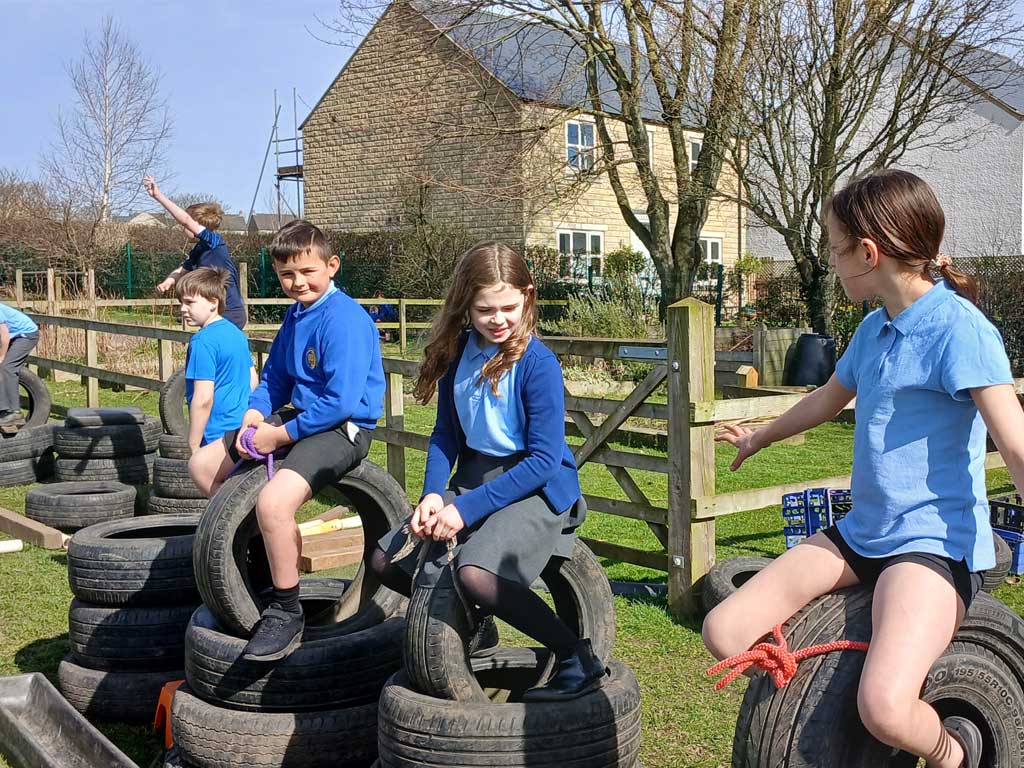
What does successful playtime look like in a primary setting? This article explores how well-designed spaces, supportive adults and a strong school culture shape enriching play for all pupils.
What makes a high-quality playtime in primary schools?
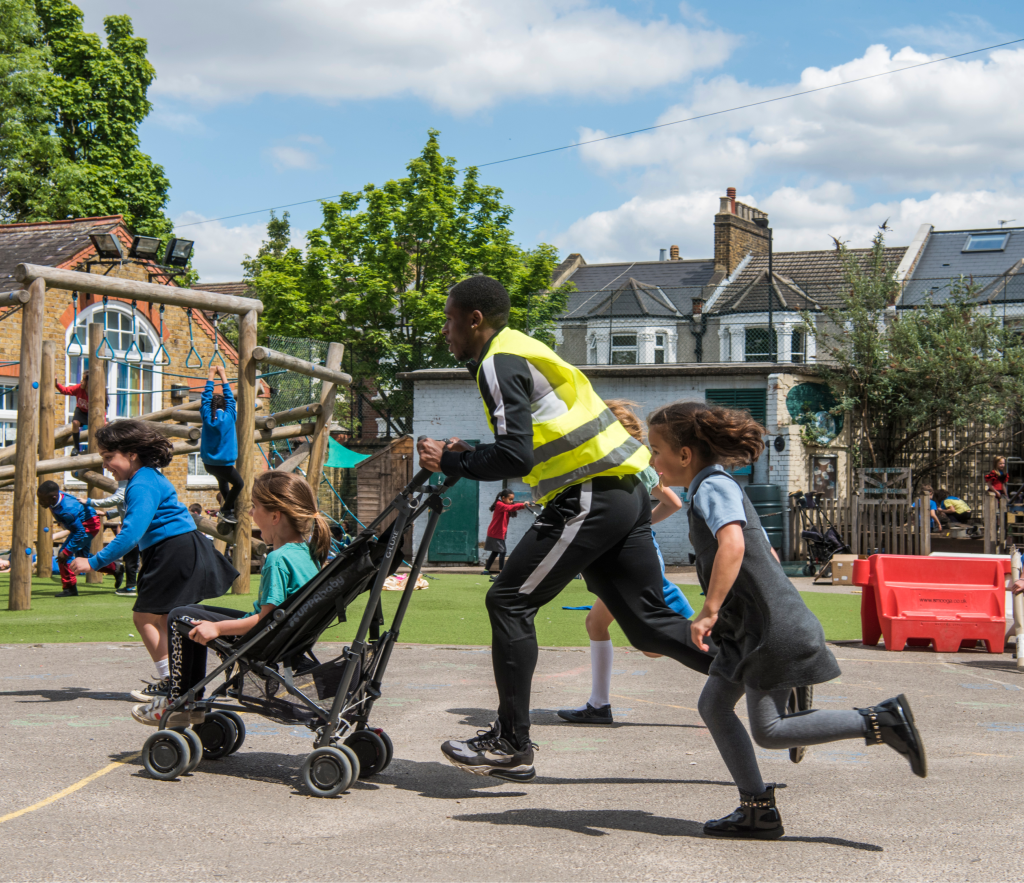
Fundraising remains a necessary but often frustrating part of school life. Budgets are tight, demands on families are increasing and staff time is limited. Many primary schools find themselves returning to the same activities year after year, even when enthusiasm and returns begin to fade. As schools move through 2026, effective fundraising is less about […]
10 fundraising ideas for primary schools in 2026

Upgrading a school playground doesn’t require costly equipment or major construction. Thoughtful design, smarter use of space, and changes in adult practice can transform playtimes through affordable, sustainable methods that foster positive behaviour, wellbeing, and inclusion.
How to design a better school playground without major capital spend

Outdoor play is not judged separately by Ofsted, but it plays a meaningful role in inspection discussions about behaviour, wellbeing and personal development. This article explains how outdoor play fits within the inspection framework and how schools can confidently articulate their approach.
Outdoor play and Ofsted inspections: what schools need to know

An effective outdoor play policy helps schools move beyond supervision and rules towards a shared understanding of why play matters. This article explores what makes a play policy meaningful, how it supports behaviour and wellbeing, and how schools can ensure their policy reflects real practice rather than paperwork.